
How to Choose the Right Therapist: A Guide to Vulnerability, Fit, and Real Change
“Courage, it’s from the latin word cor, meaning heart, and the original definition was to tell the story with your whole heart.”
Choosing a therapist isn’t just a logistical or practical decision. It’s an emotional one. You’re choosing someone you’ll sit with while you explore parts of yourself and your relationships that may feel tender, unfinished, or difficult to name. Whether you’re seeking therapy for deep personal work, to improve relationships in your life or simply for the purposes of self-development and personal growth, the process asks something meaningful of you. It asks for vulnerability.
Vulnerability has long been misunderstood as weakness. The work of Brené Brown flipped this myth on its head. She captures this beautifully when she says, “Vulnerability isn’t winning or losing; it’s having the courage to show up and be seen when we have no control over the outcome. It’s our most accurate measure of courage.” Therapy works when there’s enough safety for that courage to emerge, and when you feel supported in showing up as you actually are rather than how you think you should be.
That’s why choosing the right therapist matters. The research shows time and time again that the quality of the therapeutic relationship itself is one of the strongest predictors of meaningful change in therapy*. Research spanning thousands of clients and dozens of studies has found a consistent positive correlation between the strength of the therapeutic alliance and treatment outcomes. As social beings, we change and evolve in relationships. More specifically, relationships that make us feel safe, heard, and seen can provide us with corrective emotional experiences to help heal long-standing emotional wounds and release the burdens we’ve been carrying for so long.
So when you think about what actually helps people grow in therapy, it’s not just the methods, techniques, or interventions the therapist uses. It’s the connection, trust, collaboration, and felt sense of safety that develops between you and your therapist. This can’t always be put in words, it needs to be experienced.
As you move through the tricky process of finding the right therapist for you, here are some considerations that may be helpful.
Should You Choose a Therapist with Shared Life Experience?
Many people begin their search for a therapist by looking for shared life experience, and this makes sense. Feeling understood without having to explain yourself over and over again can lower the barrier to vulnerability. Cultural background, family dynamics, sexual orientation, and gender identity often shape how we experience the world, relationships, and ourselves. When a therapist reflects some aspect of your experience authentically, that can help you feel seen and safe more quickly, and it can accelerate the work you do together.
For example, I’m a third-generation Canadian Italian. I’ve lived the nuances that come with that experience. The closeness of family, the sense of obligation and loyalty, the humour, the emotional intensity, and sometimes the unspoken rules about what gets talked about and what doesn’t. These aren’t abstract ideas to me. They’re lived experience. For some clients, that shared cultural context helps them feel understood more deeply and allows us to move into meaningful work sooner.
The same is true when it comes to sexual orientation and identity. I’m a gay cisgender man, and many people seek out queer-affirming therapy because they want to work with someone who understands the broader queer experience without pathologizing it. Some clients are looking for someone who falls somewhere within the LGBTQ+ spectrum, while others are very specific and want to work with another gay male therapist. Both of these desires are valid and understandable.
At the same time, not everyone wants a therapist with shared lived experience. Some people intentionally seek someone with different life experiences because they want a fresh perspective or someone who can challenge their patterns in ways their community may not. The most important part isn’t whether your therapist’s life mirrors yours, but whether you feel safe enough to be open, honest, and vulnerable in the space you share.
In-Person vs Virtual Therapy: What to Consider
Another important consideration when choosing a therapist is whether you want to work in person or virtually. Virtual therapy offers flexibility and accessibility, and for many people seeking individual therapy, it can be highly effective. Being in your own space can help you feel grounded and supported, and virtual sessions remove barriers related to travel and scheduling, which can be especially helpful for busy schedules or clients outside of central areas.
Relationship and couples therapy, however, often benefits from being done in person. In my experience, virtual relationship therapy comes with real limitations. Relationship work frequently requires more active therapeutic intervention, including slowing interactions down, helping partners regulate in real time, and tracking subtle emotional and relational dynamics as they unfold. These interventions are more difficult to do through a screen, particularly given the current limitations of technology, sound quality, and overlapping voices.
Sharing physical space allows for a different level of presence, containment, and safety. It gives the therapist richer information about what is happening between partners and allows for deeper, more responsive intervention. Many clients also find that the act of commuting to and from therapy becomes part of the process itself, offering time to prepare, reflect, and integrate what comes up in session. For people seeking relationship therapy, I often encourage prioritizing in-person work when possible. I offer clients both the possibility to book in-person in East Vancouver or virtually to make therapy more accessible to them, as well as the ability to offer services to clients across British Columbia and Ontario.

Types of Individual Therapy and Therapeutic Approaches
Therapy isn’t one size fits all. There are many therapeutic approaches, each offering different pathways to growth. My work is grounded in evidence-based approaches that focus on how we relate, both to ourselves and to others.
I take an attachment-based approach, which helps us understand how early relationships shaped the ways we connect, protect ourselves, and seek closeness today. These patterns aren’t flaws. They’re adaptations that once made sense, even if they no longer serve us in the same way.
I also integrate Internal Family Systems therapy, which supports people in understanding and embracing the different parts of themselves. Through this work, clients often begin to soften their relationship with parts they once judged or tried to push away. Over time, this leads to greater self-compassion, self-trust, and a fundamentally different way of relating inwardly.
Acceptance and Commitment Therapy brings the work back to values. It helps people identify what matters most to them and take meaningful action in alignment with those values, even when life feels uncomfortable or uncertain. Together, these approaches support self-awareness, emotional flexibility, and more fulfilling relationships with self and others.
I regularly encourage new clients to look up these therapeutic modalities (or any others they’re interested in) to learn about how we’ll grow together and to help reinforce their understanding of the work we’re doing. There are many, many more therapeutic modalities available to you. Consider asking a therapist in a consultation which modalities they integrate and how you’ll work together.
How to Choose a Relationship and Couples Therapist
When choosing a relationship therapist, there’s an additional layer to consider. Relationship therapy’s not just about learning skills or improving communication. It’s about creating a space where all individuals in the relationship feel safe, seen, and respected by the therapist. Ultimately, what matters most is that the therapist can hold the relationship in a way that does not unintentionally recreate the unhealthy or painful dynamics that exist outside of therapy. The therapy space should feel different. It should feel more regulated, more intentional, and more supportive.
You want a therapist who helps partners slow things down, understand the emotional patterns beneath conflict, and experience a new way of being together. That new way of being often feels more secure, connected, and capable of meeting one another’s needs.
In my work, I draw from both the Gottman Method and Emotionally Focused Therapy. The Gottman Method is grounded in extensive clinical research and provides structure for understanding a relationship’s strengths, challenges, and patterns. It helps set a clear path forward for the work we do together. Emotionally Focused Therapy focuses on each person’s emotional experience and the relational cycle that unfolds between partners, helping people see the dynamic they’re caught in and create new, healthier emotional experiences together.
When relationship therapy works well, it does more than reduce conflict. It shows people that a different way of relating is possible, both within the relationship and beyond it.
Why Booking a Therapy Consultation Matters
One of the most important steps you can take when choosing a therapist is to experience what it feels like to be with them. Reading about someone, seeing their photo, or looking at their credentials is not enough. You need to hear their voice, notice how they respond to you, and sense whether you feel seen and understood.
That’s why I encourage people to book consultation calls. A free or low-cost consultation, like the free 20-minute consult I offer, gives you the chance to see what it feels like to share a bit of yourself with a therapist and to hear how they respond. It is not just about whether they sound experienced or warm on paper. It is about whether you feel safe, curious, and willing to open up a bit more with them.
Even beyond the consultation, your first two to three sessions with a therapist are part of experiencing what the work will be like. What kind of questions are they asking you? Are they opening up new possibilities for how you see yourself or your relationship? Do you feel that you can be vulnerable and that vulnerability is met with curiosity, not judgment? These early sessions are revealing in ways that credentials alone can never be.
Where to Find a Therapist
Finding the right therapist can feel overwhelming, but there are excellent resources to help you start your search. Some widely used directories include Psychology Today, which allows you to search by location, modality, specialty, and more; the BC Association of Clinical Counsellors (BCACC) directory, which lists registered clinical counsellors practicing throughout British Columbia; and other Canadian resources such as Theravive and the Canadian Counselling and Psychotherapy Association listings.
If cost is a concern, look for low-cost counselling options in your community, such as university counselling training clinics, non-profit mental health organizations, or sliding-scale private practices. Peer support groups and community mental health centres often offer low-cost or subsidized services and can be a helpful complement to individual therapy.
You can also ask people in your network for referrals. Friends, family, or coworkers who have had positive experiences with a therapist may be able to point you toward someone who helped them feel safe and seen.
As long as you’re working with a licensed and/or registered practitioner, you should know that they’re governed by a code of ethics that requires them to maintain confidentiality and privacy in your work together. If ever you have questions about this, please ask your therapist.
Why Vulnerability Is the Most Important Part of Choosing a Therapist
Whether you’re seeking individual therapy or relationship therapy, virtual or in-person in Vancouver, the most important question is this: Do you feel safe enough with this therapist to be vulnerable? Vulnerability requires courage, and courage needs a sense of safety and trust to grow. Choosing a therapist is an act of self-respect. It’s a decision to invest in self-awareness, emotional growth, and healthier relationships. When vulnerability is met with care, curiosity, and skill, it becomes the doorway to meaningful and lasting change.
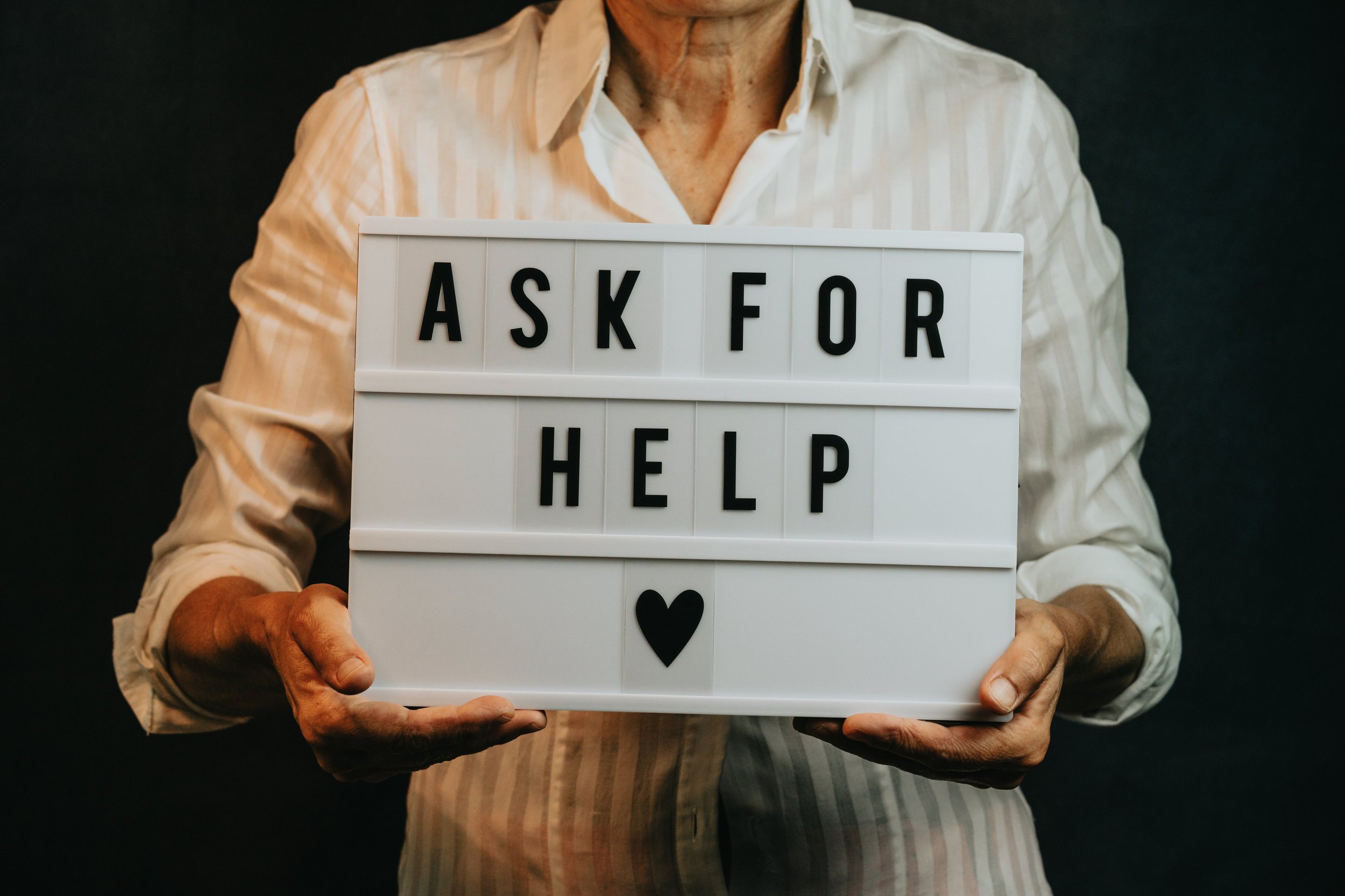
If you’re considering therapy and wondering whether this kind of work feels right for you, I’m always open to having that conversation. I recognize it takes courage to reach out and ask for help, to open yourself up to a complete stranger, and take the next step. When you’re ready, myself and the many wonderful folks out there in this helping profession are here for you.
— phil
*Martin DJ, Garske JP, Davis MK. (2000). Relation of the therapeutic alliance with outcome and other variables: A meta-analytic review. J Consult Clin Psychol. 68(3):438-50.
